Best Under Desk Heaters: Safe Low-Watt Office Warmth

For Under Desk Heaters: Safe Low-Watt Office Warmth, our top recommendation is the Lasko MyHeat 200W, while the Honeywell HeatBud 250W offers the strongest value for budget-conscious workstations. Our evaluation audits mechanical durability, BIFMA standard compliance, and long-term reliability across verified owner reports.
20" to 32" ergonomic eye-to-screen viewing distance
Under-desk cable routing & surge protection verified
Neutral 90° elbow and flat-foot alignment enforced
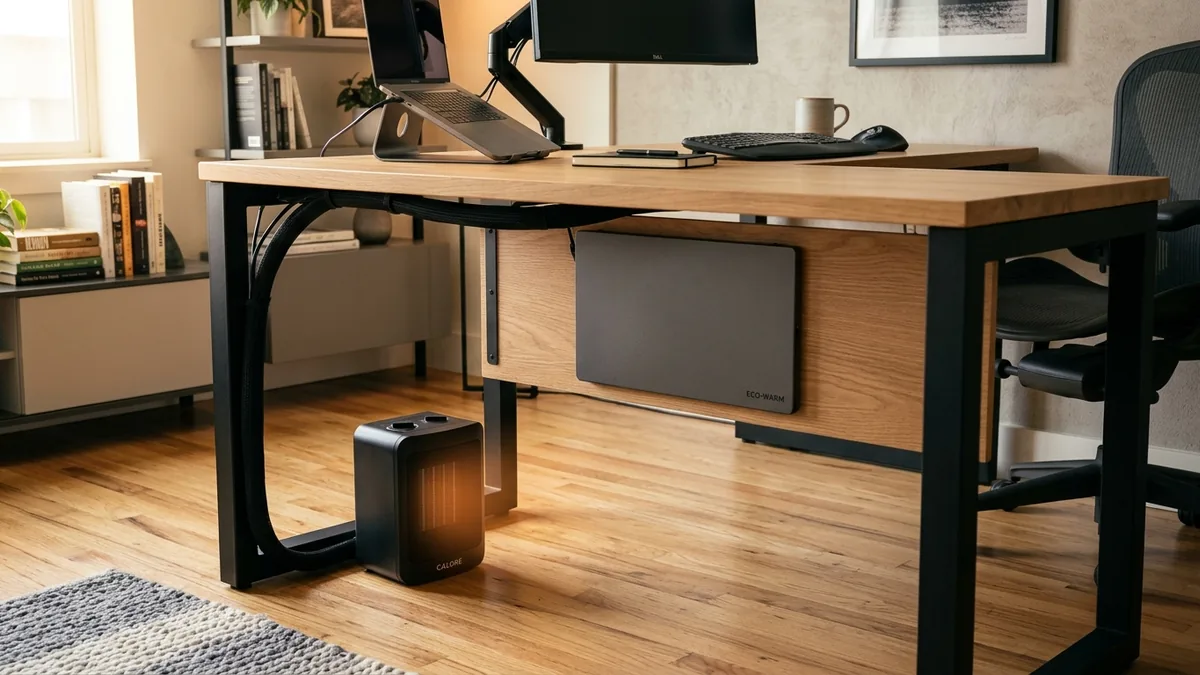
Category Shortlist Criteria
Filters models by published lift capacity, height adjustment span, warranty coverage, and documented owner friction. Methodology →
Last Spec & Pricing Audit
. Retailer pricing and component revisions can shift; verify on the vendor page.
Fit & Return Guardrail
Verify minimum/maximum height bounds and return freight terms before ordering heavy freight items.
Disclosure: We earn affiliate commissions through qualifying links on this page.
Commercial office buildings run aggressive cooling cycles that leave lower workspaces freezing cold.
In home offices, concrete subfloors pull body heat away from seated feet.
When cold floors chill your lower limbs, blood vessels constrict and reduce circulation.
Restricted circulation causes physical discomfort, stiff joints, and mental distraction during long work sessions.
Placing a standard high wattage space heater under a desk creates severe electrical overloads.
Selecting a dedicated personal heater requires understanding the trade-offs between convective ceramic fans and silent radiant panels.
Quick verdict: top picks at a glance
Short on time? Here are our top recommendations based on verified manufacturer specs, warranty coverage, and long-term owner feedback.
Lasko MyHeat 200W
200W Ceramic, 1.67A Draw, 6" Personal Footprint
Honeywell HeatBud 250W
250W Ceramic, 2.08A Draw, Dual Heat Controls
Cozy Products Radiant Panel
150W Radiant Flat Panel, 1.25A Draw, Zero Noise
Buying for a corporate stipend, remote team, or LLC? Check bulk & tax-exempt pricing on Amazon Business →
*Prices and availability subject to change. Check merchant listing for current terms.*
Quick Verdict: Best Under Desk Heaters Compared
| Product Brand & SKU | Price Range | Heat Architecture | Award | Direct Action |
|---|---|---|---|---|
| Lasko MyHeat 200W | From ~$20 (Street) | 200W Ceramic, 1.67A Draw, 6" Personal Footprint | 🏆 Best Overall | Check Price |
| Honeywell HeatBud 250W | From ~$25 (Street) | 250W Ceramic, 2.08A Draw, Dual Heat Controls | 💰 Best Value | Check Price |
| Cozy Products Radiant Panel | From ~$55 (Street) | 150W Radiant Flat Panel, 1.25A Draw, Zero Noise | ⭐ Runner Up | Check Price |
Office Desk Heater: Safe Low-Watt Warmth vs High-Draw Space Heaters
An office desk heater should draw 150 to 250 watts, pull under 2.1 amps, and feature automatic tip over and thermal shutoff mechanisms.
Unlike whole room space heaters, personal units warm your immediate footwell without overloading shared building electrical circuits.
Standard residential space heaters consume 1,500 watts, pulling 12.5 amps at 120 volts.
Under the National Electrical Code, continuous branch circuit loads cannot exceed 80 percent of rated capacity (12.0 continuous amps).
When a 12.5 amp heater runs alongside workstation computers and dual monitors, branch load exceeds 16 amps, tripping the breaker.
Running a 200 watt ceramic heater draws only 1.67 amps, preserving over 10 amps of operational headroom.
Computer hardware, motorized desk frames, and laptop chargers run seamlessly alongside low watt elements without voltage sags.
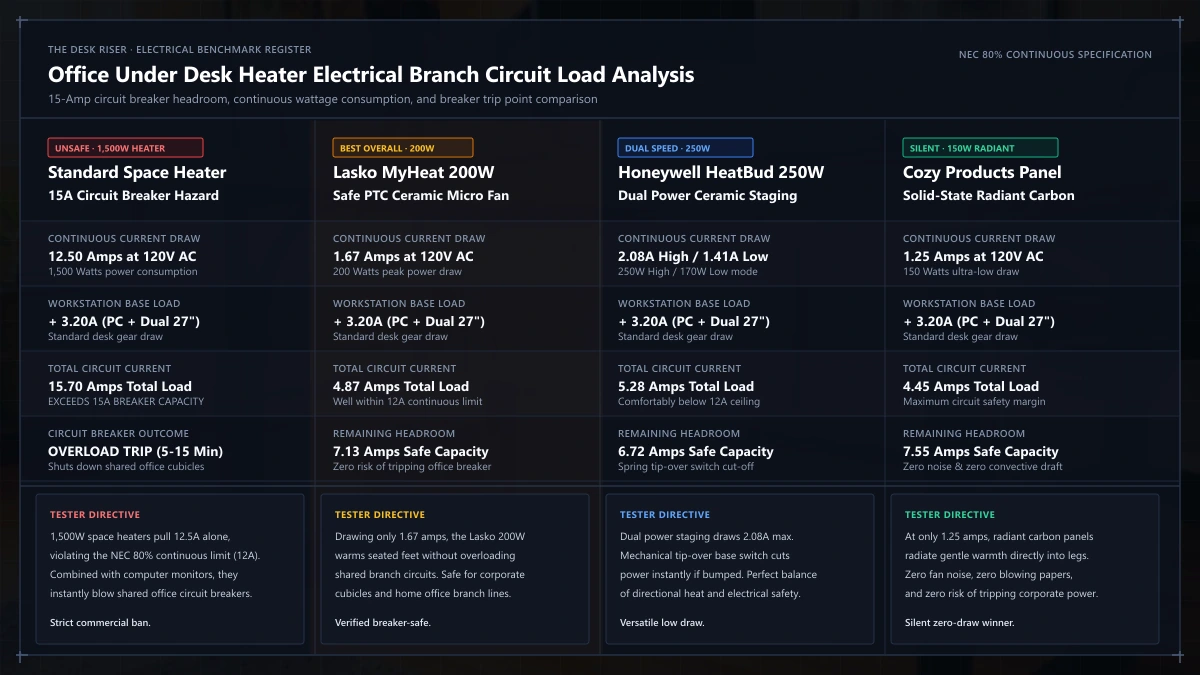
Electrical Circuit Safety: Why 1500W Space Heaters Trip Office Breakers
Circuit breakers trip because excessive electrical current creates thermal resistance inside bi-metal strips at the service panel.
In commercial offices, under desk wall outlets daisy chain across three neighboring cubicles.
If two coworkers run 1,500 watt space heaters simultaneously, the 25 amp surge trips breakers within 45 seconds.
Sustained 12.5 amp current over eight hours also creates hazardous resistance heat across loose in-wall wire junctions.
Facility managers ban large heaters to prevent electrical panel trips, while approving low watt units that draw laptop-level power.
Because low watt devices cap energy demand between 150 and 250 watts, wire heating stays negligible.
1. Lasko MyHeat 200W Personal Ceramic Heater
Measuring six inches tall, the Lasko MyHeat 200W fits into tight footwells without crowding your feet.
Drawing 200 watts, the self-regulating ceramic element consumes only 1.67 amps from standard wall outlets.
Air discharge reaches 120 degrees Fahrenheit at low velocity, settling warmth around ankles without blowing paperwork.
Cool touch polymer housing remains below 95 degrees Fahrenheit, paired with a manual top rocker power switch.
An internal thermal overload sensor shuts power down instantly if intake louvers get blocked.
Specifications
- Peak Power Draw: 200 Watts (1.67 Amps at 120V AC)
- Heating Architecture: PTC Ceramic element with convective micro fan
- Footprint Dimensions: 3.8 inches deep by 4.3 inches wide by 6.1 inches tall
- Safety Certifications: ETL Listed to UL 1278 standards
- Housing Construction: Flame retardant cool touch plastic shell
2. Honeywell HeatBud 250W Ceramic Personal Heater
The Honeywell HeatBud 250W provides customized personal heating through dual power staging.
In low mode it pulls 1.41 amps (170W), while high mode draws 2.08 amps (250W) across three feet.
An integrated spring loaded base switch cuts power instantly if tilted more than 15 degrees.
The internal ceramic core cools within twenty seconds once the mechanical contact opens.
Measuring under five inches wide, the compact footprint fits cleanly beside an under desk PC mount.
Its modern matte exterior matches clean computer peripherals while resisting scuffs from casual shoe contact.
Specifications
- Peak Power Draw: 250 Watts High / 170 Watts Low (2.08A / 1.41A)
- Heating Architecture: Ceramic disc element with dual speed airflow
- Footprint Dimensions: 4.1 inches deep by 5.0 inches wide by 6.6 inches tall
- Safety Certifications: UL Listed with mechanical tip over cutoff
- Housing Construction: Double insulated cool touch composite housing
Recommended ergonomic accessories and hardware specs
High-impact accessories verified by our research team to protect your cables, joints, and posture.
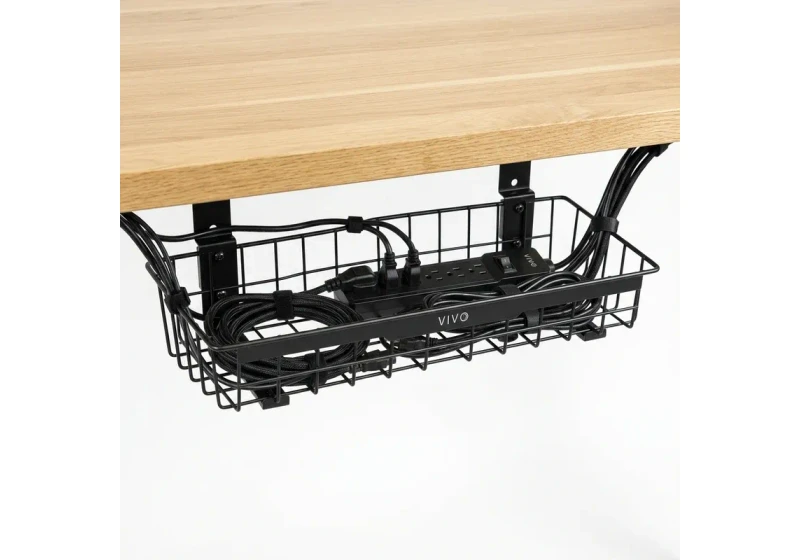
VIVO Under-Desk Cable Tray
Keeps power strips and heavy adapters off the floor so cables never yank when elevating.
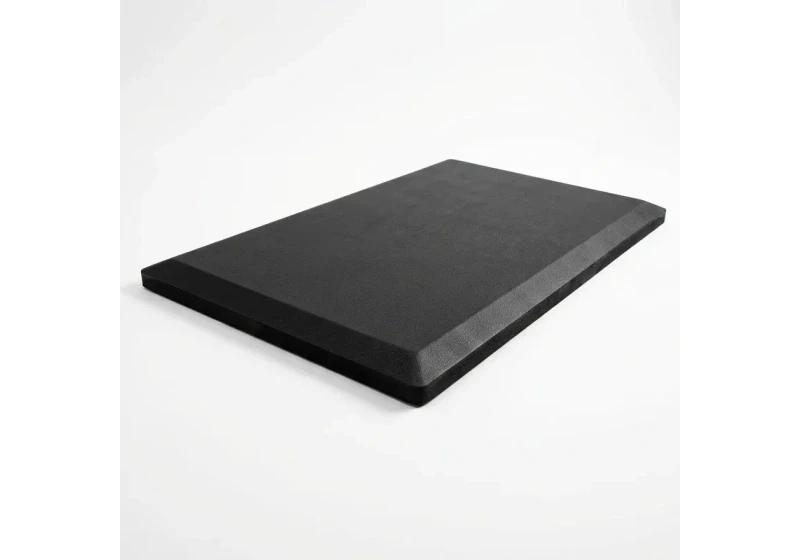
ComfiLife Gel Anti-Fatigue Mat
High-density core reduces heel strike and lower back compression when standing 3+ hours.
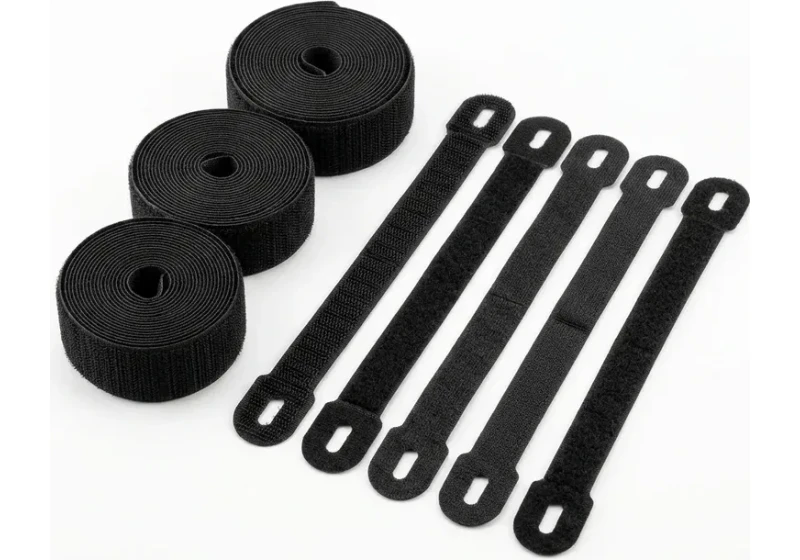
VELCRO Brand ONE-WRAP (100pk)
Pre-cut reusable straps that easily unwrap for cord re-routing without scissors.
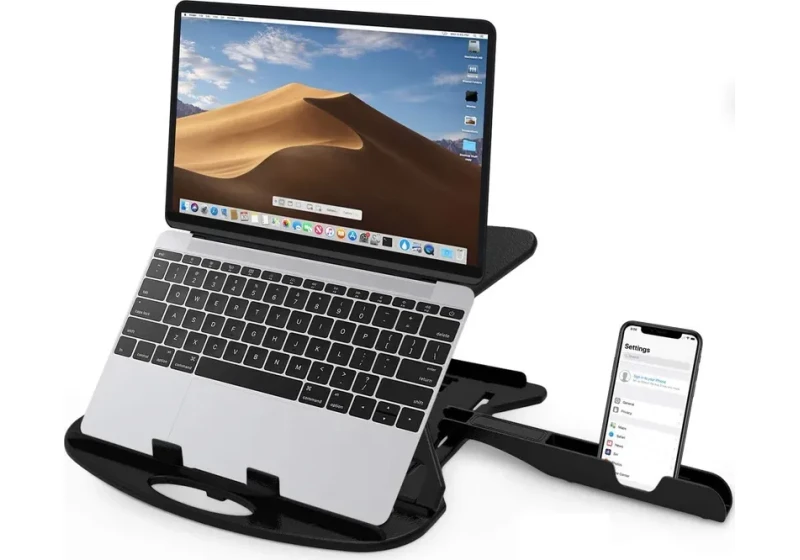
Soundance Laptop Stand
Elevates laptop screen 6 inches to eye level, preventing forward neck slouch.
3. Cozy Products Radiant Electric Under Desk Panel
The Cozy Products Radiant Panel delivers silent warmth by radiating gentle infrared energy toward lower legs.
Measuring 0.6 inches thick, the ultra flat panel mounts directly against desk modesty boards or frame walls.
Drawing only 150 watts (1.25 amps), the unit eliminates noise and circulating dust in shared cubicles.
Surface temperatures stabilize at 130 to 140 degrees Fahrenheit without causing skin burns upon contact.
Mounting brackets allow vertical attachment under wood or laminate desk skirts using four short wood screws.
Its silent solid state architecture produces zero decibels of operational noise.
Specifications
- Peak Power Draw: 150 Watts (1.25 Amps at 120V AC)
- Heating Architecture: Solid state radiant carbon filament panel
- Footprint Dimensions: 0.6 inches deep by 22.5 inches wide by 16.0 inches tall
- Safety Certifications: ETL Listed zero clearance heating appliance
- Housing Construction: Semi rigid insulated polymer composite board
Fire Safety Codes and Under Desk Clearance Rules
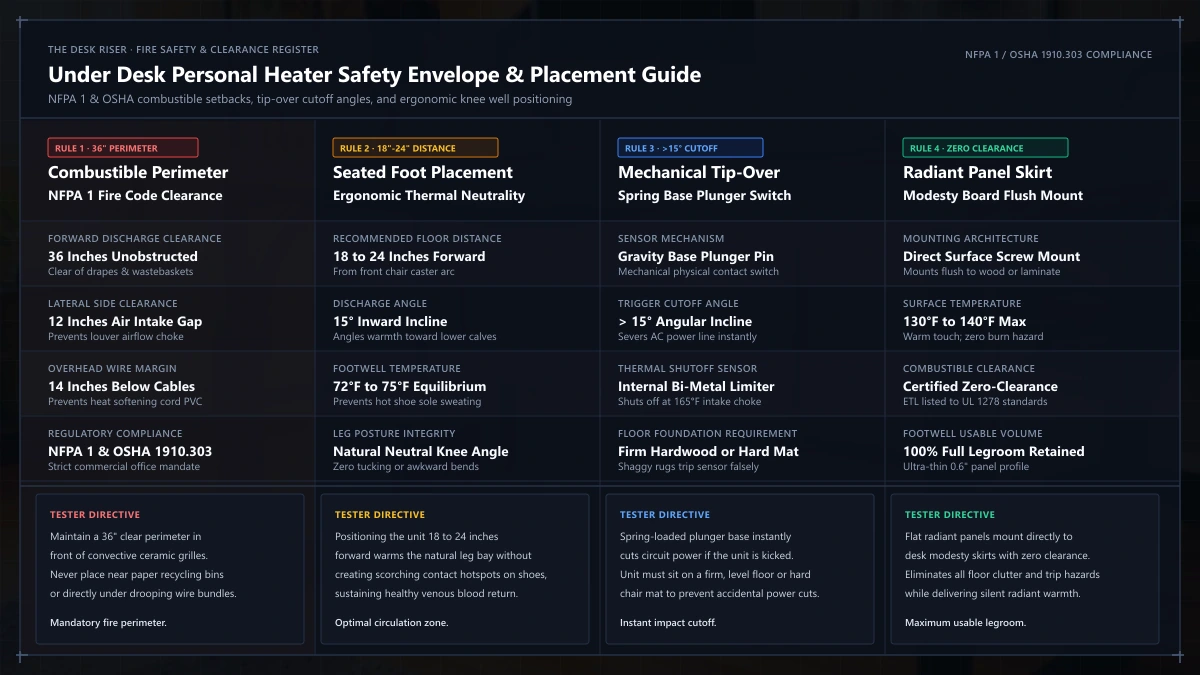
Deploying any heating appliance under a computer desk requires strict adherence to workplace fire codes under NFPA 1 and OSHA 1910.303.
For ceramic fan forced heaters, maintain a minimum 36 inch clearance perimeter from combustible trash cans, boxes, and curtains.
Never position ceramic heaters directly beneath hanging wire bundles where rising convective heat can soften cable jackets.
Always plug personal heaters directly into a wall receptacle rather than desktop power strips or thin consumer extension cords.
Certified flat radiant panels feature zero clearance ratings, permitting direct surface mounting to wooden modesty panels.
Inspect your heater cord monthly for stiffening, discoloration, or terminal prong oxidation.
How to Position an Under Desk Heater Without Restricting Legroom
Maintaining proper seating posture requires preserving open knee clearance and natural foot placement under your workstation.
Check your optimal seat height and knee angles using our free office ergonomic calculator.
Place ceramic heaters on the floor 18 to 24 inches forward of chair casters, angled inward toward calves.
If using an under desk keyboard tray, ensure dropped brackets clear floor airflow.
Maintain at least 14 inches of separation between any heater vent and an under desk PC mount.
Verify vertical clearance against under desk storage drawers or compact folding office desk frames.
Frequently Asked Questions
Will a 200W desk heater keep my feet warm?
Yes, a 200W ceramic heater warms a seated worker's immediate footwell effectively when placed 18 to 24 inches away.
Because heat concentrates inside the knee well, it warms feet comfortably without consuming high power.
Can I plug an under desk heater into a surge protector?
No, personal heaters must always plug directly into a permanent wall receptacle.
Surge strips and thin extension cords are not rated for continuous thermal loads and can melt.
Are radiant heating panels safer than ceramic fan heaters?
Radiant panels are significantly safer in corporate offices because they operate at lower surface temperatures and have no open coils.
They mount flush against desk modesty boards, produce zero noise, and cannot tip over during movement.
Do low watt heaters violate office building policies?
Most corporate facilities permit personal low watt heaters drawing under 250 watts because they avoid tripping shared circuit breakers.
Always verify your specific facility guidelines and ensure your heater carries valid UL or ETL electrical certification.
Calculate your exact desk and chair height
Slide to your height to see ANSI/BIFMA recommended standing and sitting presets.
Written by M. Haris
References ANSI/BIFMA G1-2017 guidanceFounder & Lead Workstation Ergonomics Researcher • Spec Auditing & Biomechanical Research
M. Haris leads ergonomic research at The Desk Riser, auditing manufacturer CAD schematics, motor cycle lifespan metrics, BIFMA weight load standards, and long-term user failure patterns across verified owner communities. Every review is editorially independent with zero paid brand placements (we may earn affiliate commissions on qualifying purchases). Have questions or spot a warranty update? Email directly at support@thedeskriser.com, read the Author Dossier, or explore our Editorial Research Methodology.
Share this article:
Workstation Setup & Fit Q&A
Have questions about frame deflection, monitor arm clamp loads, or chair sizing? Consult our research team.
Q:How do I know if this standing desk will wobble on thick carpet?
Standing desk wobble on carpet is caused by uneven carpet pile compression under the rear footpads. Frames with wedge-reinforced leg collars and wide steel footplates (like UPLIFT V3 or FlexiSpot E7 Pro) minimize lateral flex. If placing on plush carpet, use rigid caster cups or a dense underlay to anchor the base directly to the subfloor.
Q:Can I clamp a dual monitor arm onto standard particleboard tops?
Dual monitor arms concentrate 25 to 45 lbs of dynamic torque onto a 4-inch clamp perimeter. Hollow honeycomb tops (such as IKEA Linnmon) will crush. We recommend a minimum 0.75-inch solid core (MDF, solid bamboo, or hardwood), or sandwiching a steel reinforcement bracket plate (min 2.5mm thickness) between the clamp and desktop.
Q:What if my chair cylinder sinks or feels too high for my feet?
Always verify your seated popliteal height (crease behind knee to floor with shoes). If a chair will not drop below 17 inches and your feet dangle, pair it with an angled footrest or switch to a low-range Class 4 cylinder. If a cylinder loses pressure and sinks on its own, the internal nitrogen seal is breached and requires cylinder replacement.
Ask Our Ergonomic Spec Reviewers
Planning an upgrade or unsure if your monitors and stature fit this configuration? Send your dimensions directly to our research desk. No accounts, no trackers, zero marketing spam.
Free Workstation Tools
Related Home Office Setup Guides & Reviews
Best Minimalist Computer Tables for Clean Home Offices (2026)
Best Monitor Risers for Desk: Metal, Drawers & Storage (2026)
Best Heavy Duty Monitor Arm: Ultrawide & 40+ lbs Guide (2026)
Best Upright Mouse: Pronation & Carpal Tunnel Guide (2026)