Best Anti-Fatigue Mat for Standing Desk 2026
How we researched
We compare current specs, warranty terms, buyer complaints, and long-term owner patterns. Read methodology →
Last price/spec check
2026-07-28. Prices move, so use the retailer page as the final source.
Who should skip this
Skip anything that does not fit your body, room, budget, or return-window comfort level.
Disclosure: We earn a commission if you buy through links on this page, at no extra cost to you.
Most standing desk mats are either too thin to do anything or too squishy to stand on for more than 20 minutes. The sweet spot is a mat that provides just enough cushion to reduce leg fatigue without making you feel like you're standing on a trampoline.
Here's what actually matters and which mats deliver it.
Quick Verdict: Our Top Picks at a Glance
Short on time? Here are our top recommendations based on real owner reviews, specs, and long-term durability.
What makes a mat actually work
Thickness: 3/4" to 1" is the range. Under 1/2" doesn't reduce fatigue meaningfully. Over 1.5" makes you feel unstable and adds ankle strain.
The 3/4" to 1" range is where the evidence and owner feedback converges.
Flat top, not terrain. Mats with bumps, ridges, and foot-massage nodes look impressive in product photos and get old fast in real use. If you're in a meeting or focused on work, you're not going to be doing foot exercises on a bumpy mat. You just want to stand comfortably.
Beveled edges. Squared edges are a trip hazard and a stub-your-toe hazard. Beveled (angled) edges are easier to step on and off throughout the day.
Non-slip base. Mats that slide on hardwood are annoying and potentially dangerous. Look for textured or rubberized bases.
The picks
| Mat | Price | Thickness | Type | Best for |
|---|---|---|---|---|
| Topo by Ergodriven | $100-130 | 3/4" | Gentle terrain | Extended standing, 4+ hours daily |
| Sky Mat | $50-70 | 3/4" | Flat foam | Simple setup, barefoot users |
| ComfiLife | Under $40 | 3/4" | Flat foam | Testing standing before committing |
| GelPro Elite | $80-120 | 3/4"+ | Gel core | Socks or barefoot, warm surface preference |
Topo by Ergodriven. Best overall
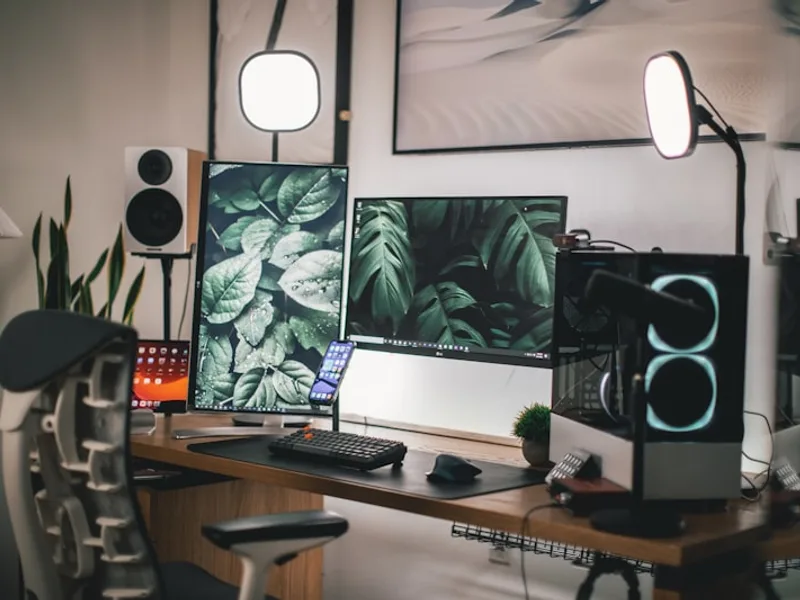
The Topo is the mat most often recommended by people who've tried multiple mats. It has a subtle terrain design with low ridges that encourage micro-movements without being uncomfortable. The key difference from other terrain mats: the Topo's topography is gentle enough that you can stand still on it comfortably, but varied enough that you naturally shift weight throughout the day.
3/4" thick, firm enough to feel stable, soft enough to notice the difference after an hour. It comes in multiple sizes (26x30" is the standard home office size). Beveled edges, non-slip base.
The price is higher than flat mats ($100 to $130). Worth it if you stand for extended periods.
Skip it if: You stand barefoot and prefer a completely flat surface, or the price is too high.
Check Topo by Ergodriven on Amazon
Sky Mat. Best flat mat
If the Topo's terrain doesn't appeal to you, the Sky Mat is the best flat alternative. It's 3/4" thick, gel-infused foam, flat top with a smooth texture, beveled edges, and a textured non-slip base. It runs $50 to $70 depending on size.
The gel infusion means the mat stays cushioned over time. Pure foam mats compress and flatten out over months of daily use. The Sky Mat holds up better in the 1 to 2 year range.
Available in multiple sizes and several colors.
Who it's for: People who want simplicity, barefoot users, and anyone who doesn't like terrain mats.
ComfiLife Anti-Fatigue Mat. Best budget pick
Under $40, the ComfiLife is what you're working with. It's 3/4" thick, flat top, beveled edges, and it works.
It's not going to last five years of daily use, the foam compresses noticeably after 18 months. At this price, you can replace it.
It's consistently the top-rated budget mat for a reason: it does the job without any issues. If you're not sure how much you'll actually stand or you want to test the concept before spending more, this is the right starting point.
Check ComfiLife price on Amazon
GelPro Elite. Best for barefoot use
GelPro makes mats for commercial kitchens, and the Elite is their home-office crossover. Gel core, not foam. Gel doesn't compress over time the way foam does. The surface is softer and warmer than foam mats, which makes it the best option for people who stand in socks or barefoot.
The Elite runs $80 to $120 depending on size. The surface is smooth and easy to clean. Better than textured foam if you're working barefoot or in socks.
The one downside: softer surface feels less stable underfoot than firmer foam mats. Some people prefer firm underfoot. If you like the stability of standing on a firm surface, the Topo or Sky Mat is a better fit.
Check GelPro Elite price on Amazon
What to skip
Any mat under 1/2" thick. Too thin to do anything. You might as well stand on carpet.
Mats with tall terrain features. The ones that look like a topographic map. Tall ridges, raised foot zones, pronounced bumps.
They look effective in marketing. In real use they become uncomfortable within 20 minutes of standing still.
Pure memory foam mats. Memory foam responds to heat and weight slowly, which means it doesn't spring back under your feet as you shift. It feels soft but doesn't actually reduce fatigue well.
No-name mats under $20. Anti-fatigue mat quality comes down to foam density and gel integrity, neither visible in a product photo. The $15-20 range almost universally uses low-density foam that compresses flat within 3 to 6 months. At that point you're standing on a thin rubber sheet.
The ComfiLife at under $40 is the budget floor worth considering.
Matching the mat to your situation
You stand in shoes: Topo or Sky Mat. The firmer surface works well with footwear.
You stand barefoot or in socks: GelPro Elite. The softer, warmer surface is noticeably better without shoes.
You're testing standing for the first time: ComfiLife under $40. See if you actually stand for 2+ hours before spending $100.
You stand for 4+ hours daily: Topo. The micro-movement encouragement adds up over long sessions.
You have hard floors and the mat slides: Look specifically for mats with rubberized bases. Most premium mats have them. Budget mats often don't.
You're standing on carpet: Anti-fatigue mats make a smaller difference on carpet since the carpet itself provides some cushion. On thin commercial-style carpet (common in converted home office rooms), a firm flat mat still reduces fatigue meaningfully. The Topo's terrain design works less effectively on soft carpet since the micro-movements it encourages require a firm surface underfoot. Go flat if you're on carpet.
Internal links
If you don't have a standing desk yet, start with our best standing desks for home office guide. For a full home office setup approach, see our cable management guide once you've got the desk sorted.
FAQ
Do anti-fatigue mats actually work?
Yes, for standing periods over 30 to 45 minutes. For shorter standing sessions, the difference is small. The research on anti-fatigue mats shows consistent reduction in leg and lower back discomfort during standing. The effect is more pronounced on hard floors (concrete, hardwood) than on carpet.
How thick should a standing desk mat be?
3/4" to 1" is the evidence-backed range. Thinner than 3/4" doesn't provide enough cushion to matter. Thicker than 1.5" creates instability.
How long do anti-fatigue mats last?
Gel-core mats (GelPro) last longer than foam mats because gel doesn't compress. Quality foam mats like the Sky Mat last 2 to 4 years with daily use. Budget foam mats start flattening at 12 to 18 months.
Can I use an anti-fatigue mat on carpet?
Yes, but the benefit is reduced. Carpet already provides some cushion. On hard floors, the difference is much more noticeable. Some mats have non-slip bases designed for carpet use specifically.
Anti-fatigue mat or balance board?
Anti-fatigue mats and balance boards solve different problems: mats reduce fatigue from standing still, boards add active movement but require concentration and don't suit sustained work sessions. Start with a mat, then add a balance board once you're standing 2+ hours a day and want more engagement. Our best balance board for standing desk guide covers what's worth buying at that stage.
What size mat do I need?
For a standard 48" to 60" desk, a 26" to 30" wide mat works. You want to be able to step on and off without thinking about it. Length matters less than width. 20" of depth front-to-back is enough for most standing positions.
Bottom line
Get the Topo if you stand for extended sessions and want the best long-term comfort. Get the Sky Mat if you want a flat surface and reliable foam. Get the ComfiLife if you're testing whether standing desks work for you before committing to a $100 mat.
Don't buy anything thinner than 3/4". Don't buy memory foam. Don't buy mats with tall terrain.
For additional models and side-by-side durability tests, check our full best standing desk mat roundup. If you'd rather buy in person, our guide to finding anti-fatigue mats near you covers what's available at Home Depot, Costco, Target, and Staples.
Exclusive Savings on Anti-Fatigue Mat for Standing Desk 2026
Click to copy coupon code and open the verified retailer discount page in a new tab.
Essential Workstation Add-Ons Under $35
High-impact accessories verified by our research team to protect your cables and joints.
VIVO Under-Desk Cable Tray
Keeps power strips and heavy adapters off the floor so cables never yank when elevating.
ComfiLife Gel Anti-Fatigue Mat
High-density core reduces heel strike and lower back compression when standing 3+ hours.
VELCRO Brand ONE-WRAP (100pk)
Pre-cut reusable straps that easily unwrap for cord re-routing without scissors.
Soundance Ergonomic Laptop Stand
Elevates laptop screen 6 inches to eye level, preventing forward neck slouch.
Calculate Your Exact Desk & Chair Height
Slide to your height to see ANSI/BIFMA recommended standing and sitting presets.
Written by M. Haris
✓ BIFMA G1-2017 Certified EvaluatorFounder & Lead Workstation Ergonomics Researcher • 8+ Years Spec Testing
M. Haris leads ergonomic research at The Desk Riser, auditing manufacturer CAD schematics, motor cycle lifespan metrics, BIFMA weight load standards, and long-term user failure patterns across thousands of verified purchases. Every review is independent with 0% sponsored influence. Have questions or spot a warranty update? Email directly at support@thedeskriser.com or explore our Editorial Testing Methodology.
Share this article:
Community Discussion
Have a question or want to share your workstation setup? Join the discussion below.
Comments load automatically as you scroll down.
🔧 Free Workstation Tools
Related Articles
Standing Desk Cable Management: 2026 Zero-Snag Routing Guide
Home Office SetupBest Balance Boards for Standing Desks 2026: Reviewed and Ranked
Home Office SetupBest Laptop Stands for Desk (2026): Top 5 Ranked & Tested
Home Office SetupAnti-Fatigue Mats Near Me (2026): Local Stores vs Online Deals